Fumigation Services
Whole-structure pest eradication that protects your property from the inside out
Full Home Protection
Interior and exterior treatments covering every entry point
Service Guarantee
Free callbacks between quarterly visits if pests return
Pet & Child Safe
Eco-friendly and botanical options for sensitive households
Documented Visits
Written reports and photo documentation on every service
5 Highlights on Fumigation Services
Bed Bug Treatment from Abode Pest Solutions combines science, precision, and proven methods to eliminate infestations at every life stage.
Structural Tent Fumigation
seals your entire building under heavy tarpaulins, then releases sulfuryl fluoride to exterminate drywood termites, beetles, and bedbugs hiding deep inside walls, attics, and furniture.
Container & Commodity Fumigation
treats warehouses, silos, granaries, and shipping containers with phosphine or aluminum phosphide to eradicate weevils, moths, and rodents from stored goods.
Certified fumigators
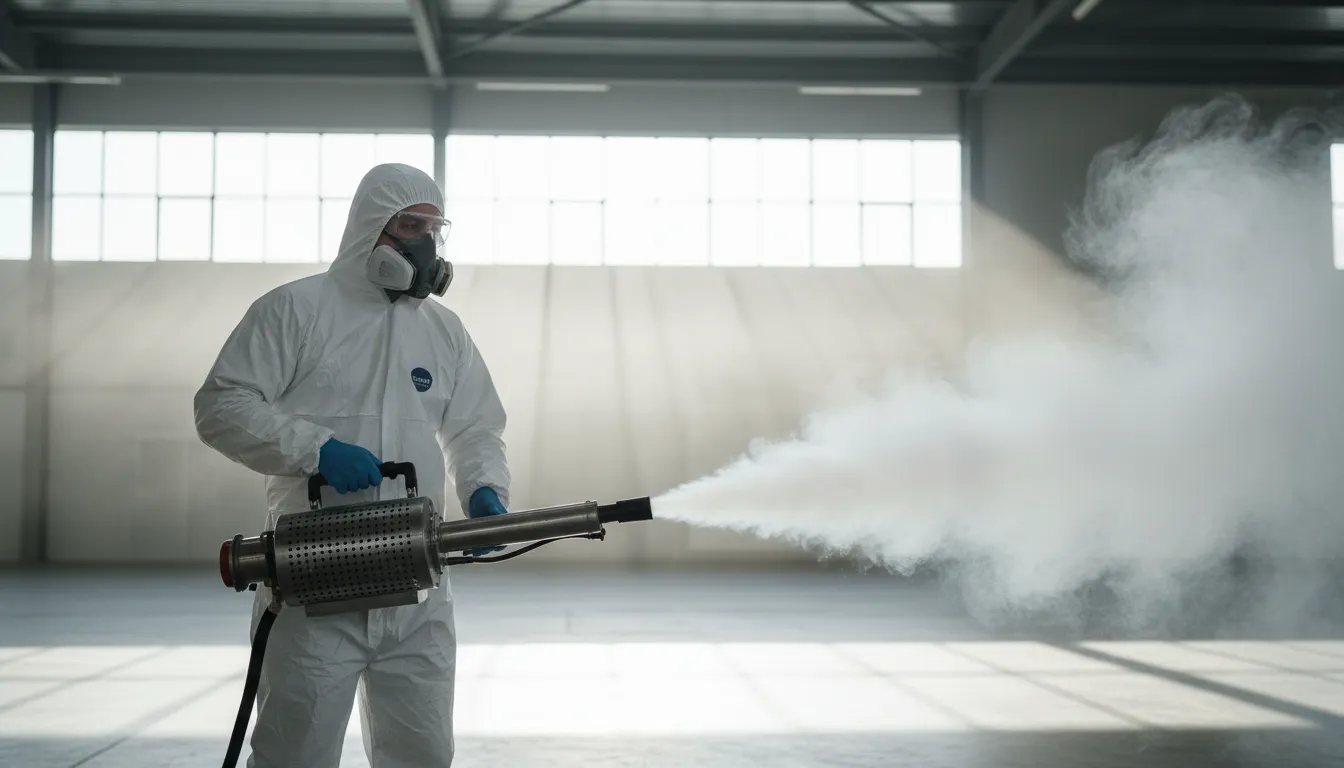
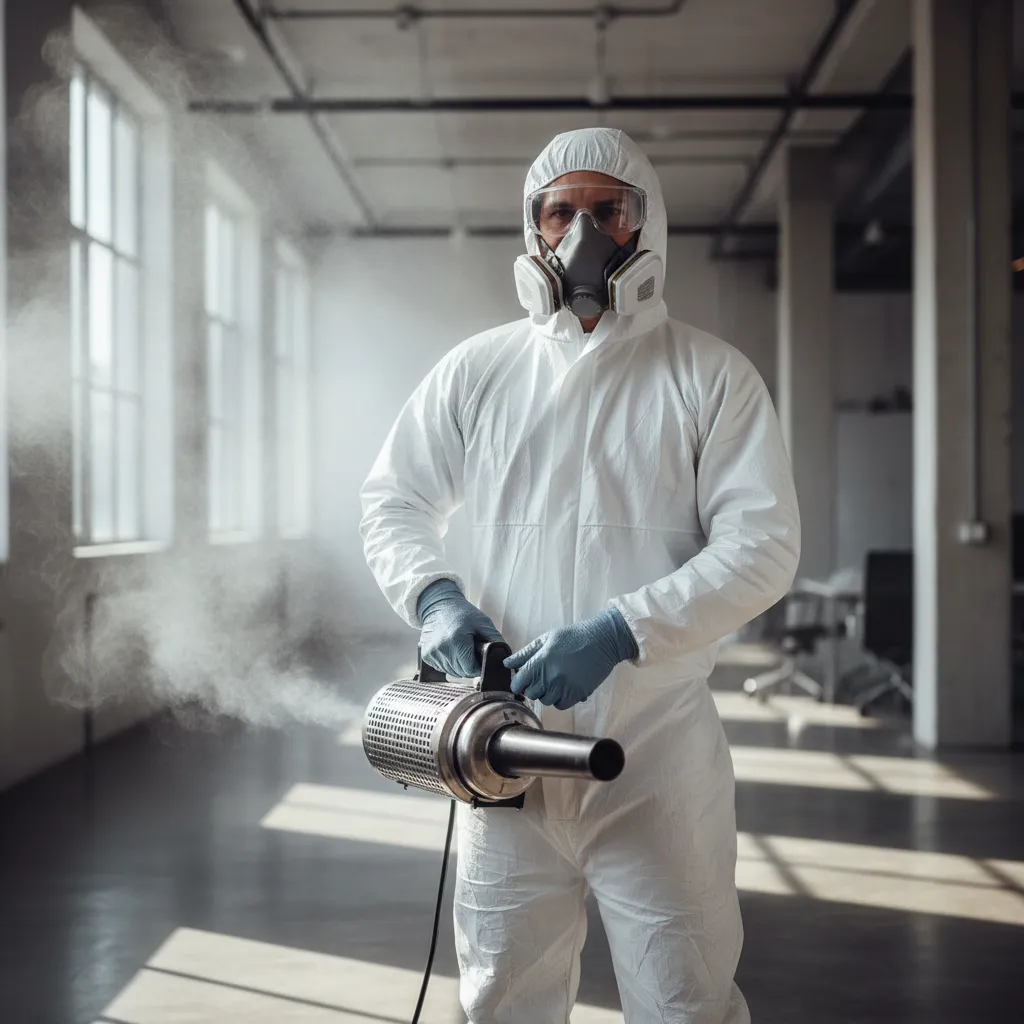
apply every fumigant while wearing full hazmat suits, respirators, and gloves, following strict EPA protocols and quarantine procedures.
Pre-fumigation inspection
maps the infestation, identifies pest species, and calculates the exact gas dosage needed to kill every life stage from egg to adult.
Post-treatment clearance
uses calibrated gas monitors to confirm safe re-entry, leaving your structure pest-free, sterile, and ready for occupancy.
Our fumigation services handle residential homes, commercial buildings, agricultural facilities, and industrial warehouses across the region. Each treatment targets persistent infestations that surface sprays and bait stations can’t reach. We tent the structure, diffuse the fumigant, and decontaminate the space before lifting the tarpaulin. The result kills termites, cockroaches, rats, and mites with verified, lethal precision.
Why Choose Our Fumigation Services
Our fumigation services stand on three pillars: licensed expertise, proven chemistry, and ironclad safety protocols. Every technician on our crew holds Florida DACS fumigation certification (License #JB199300) and trains continuously on sulfuryl fluoride, methyl bromide, and phosphine application. We don’t subcontract. The fumigator who inspects your property is the same expert who tents the structure and clears it for re-entry.
We back every job with a written eradication guarantee. If termites, weevils, or any targeted pest returns within 12 months of treatment, we re-treat at no charge. Our pre-treatment inspections include moisture readings, frass mapping, and species identification, so the fumigant dose matches the actual infestation rather than a generic estimate.
Safety drives every decision. We seal gas lines, post quarantine signage, notify neighbors, and deploy continuous air monitors throughout the fumigation cycle. Pets, plants, food, and medications get clear preparation instructions days in advance. Our team coordinates with local fire departments and follows the EPA Fumigation Stewardship Standards for residential and commercial fumigation. Fumigants such as sulfuryl fluoride and phosphine are acutely toxic gases restricted to licensed applicators only – in the event of accidental exposure, contact the National Pesticide Information Center (NPIC) at 1-800-858-7378.
Rated 4.9 stars across 312+ Google reviews, Abode Pest Solutions is NPMA Member, BBB A+ Accredited, and has completed fumigation projects for property managers, granary operators, shipping companies, and homeowners across Central Florida since 2009. You get licensed fumigators, EPA-registered chemicals, and a documented clearance report on every project we complete.
Service Guarantee
Free callbacks between scheduled visits if pests return – at no extra cost
Spotted Signs of Pests?
Don’t wait for the problem to grow. Get a free inspection and customized treatment plan.
Signs You Need Fumigation Services
Fumigation services become necessary when localized treatments fail and the infestation has spread beyond surface control. Watch for these five warning signs.
Visible Termite Damage and Frass:
Drywood termites burrow inside structural lumber and push out tiny pellets that resemble coffee grounds. If you spot frass piles near baseboards, window sills, or attic rafters, the colony has likely infested multiple wood members. Spot treatments rarely reach deep galleries, which makes structural tent fumigation the only reliable solution.
Recurring Bedbug Outbreaks:
Bedbugs nest in mattress seams, electrical outlets, and behind baseboards. When heat treatments and chemical sprays fail to eradicate the population after two or three rounds, the infestation has likely spread through wall voids. Whole-structure fumigation penetrates these hidden harborages and kills every life stage, including eggs.
Stored Grain Contamination:
Granary and silo operators who find weevils, beetles, or moths in stored wheat, rice, or corn face commodity loss and rejected shipments. Phosphine fumigation eliminates pests inside the grain mass without damaging the commodity. Container fumigation protects export shipments from quarantine seizures at port.
Widespread Cockroach or Beetle Activity:
When German cockroaches or cigarette beetles swarm warehouses, food processing facilities, or museums, surface insecticides leave survivors in machinery and crevices. Gaseous fumigants diffuse into every void and kill the entire population in one cycle.
Pre-Purchase or Pre-Sale Inspections:
Real estate transactions in termite-prone regions often require a clearance report. If the inspector finds active drywood termites or powderpost beetles, lenders typically demand fumigation before closing.
State Licensed
Certified Florida pest control operators
Background Checked
Uniformed, vetted technicians
Fully Insured
Complete liability coverage
EPA-Approved
Registered, safe-rated products only
Our Fumigation Services Process
Our fumigation process follows a documented sequence designed for safety, efficacy, and full eradication.
Inspection and Quote
Call (888) 937-1527 to schedule your inspection. A licensed fumigator then inspects the structure or commodity, identifies the pest species, measures cubic footage, and calculates the fumigant dosage. We serve property owners and facility managers across Seminole, Orange, Osceola, Volusia, and Brevard counties. You receive a written estimate with scope, timeline, and preparation checklist.
Preparation
We provide a detailed prep list covering food bagging, plant removal, pet relocation, gas line shut-off, and roof clearance. Our team confirms readiness 24 hours before tenting.
Tenting or Sealing
For structural fumigation, crews drape heavy tarpaulins over the entire building and weight the seams with sand snakes. For container and commodity fumigation, we seal openings with gas-tight sheeting and tape.
Fumigant Release
Certified technicians release sulfuryl fluoride, phosphine, or aluminum phosphide at the calculated rate. Fans diffuse the gas evenly throughout the sealed space. Warning signs and secondary locks block all entry points.
Exposure Period
The fumigant remains in place for 18 to 72 hours depending on pest species, temperature, and structure size. Continuous monitoring confirms gas concentration stays lethal.
Aeration and Clearance
Crews remove the tarpaulin, ventilate the structure, and test air quality with calibrated detectors. Once readings drop below the EPA clearance threshold, we issue a written re-entry certificate.
Brands We Use
Our fumigation services rely on EPA-registered products from manufacturers with proven track records in pest control chemistry and application equipment.









Every chemical we apply carries full EPA registration and matches the specific pest, structure type, and exposure conditions.
Related Services
Fumigation is often the final step in a broader pest management program. Our licensed technicians also provide:
Termite Control
Bed Bug Treatment
Commercial Pest Control
Crawl Space and Attic Services
Pest Exclusion and Proofing
FAQs About Fumigation Services
What is fumigation?
Fumigation is a pest control method that fills a sealed space with toxic gas to kill insects, rodents, and microorganisms in every life stage. The gas penetrates wood, fabric, grain, and wall voids that liquid sprays can’t reach.
When should I schedule fumigation?
Schedule fumigation when you confirm an active drywood termite colony, a widespread bedbug infestation, stored commodity pests, or any infestation that survived two or more localized treatments. Pre-sale termite clearance also requires fumigation.
Why does fumigation work better than spraying?
Spraying treats surfaces. Fumigation diffuses gas into every crack, gallery, and void inside the structure or container. Gaseous fumigants kill eggs, larvae, and adults simultaneously, which prevents the rebound infestations that surface treatments allow.
How long does fumigation take?
A typical structural tent fumigation runs 24 to 72 hours from tenting to clearance. Container and commodity fumigation usually completes in 3 to 7 days depending on temperature and pest species.
Can I stay in my home during fumigation?
No. All people, pets, and live plants must vacate the structure for the entire fumigation and aeration period. We provide a detailed preparation guide covering food bagging, medication removal, and re-entry timing.
Does fumigation leave residue?
Properly applied sulfuryl fluoride and phosphine leave no surface residue once aeration completes. Our fumigators verify clearance with calibrated gas detectors before issuing the re-entry certificate, so the space returns to you sterile and pest-free.
Protect Your Home Today
Talk to a licensed pest control specialist now. Free inspections, same-day service, and a 100% satisfaction guarantee across all of Florida.